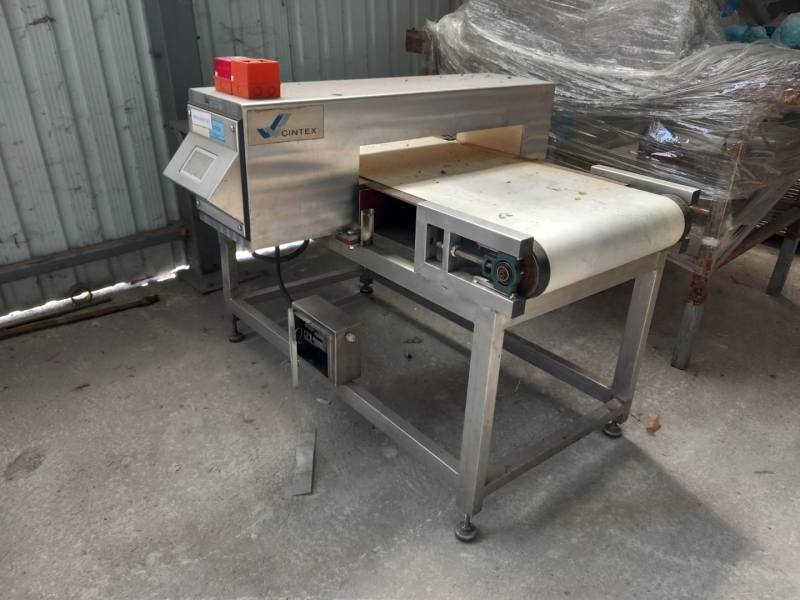
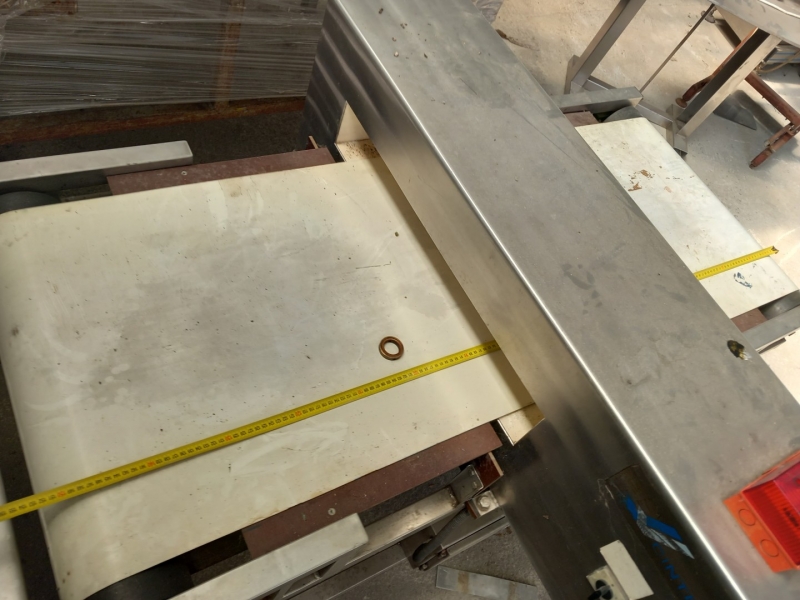
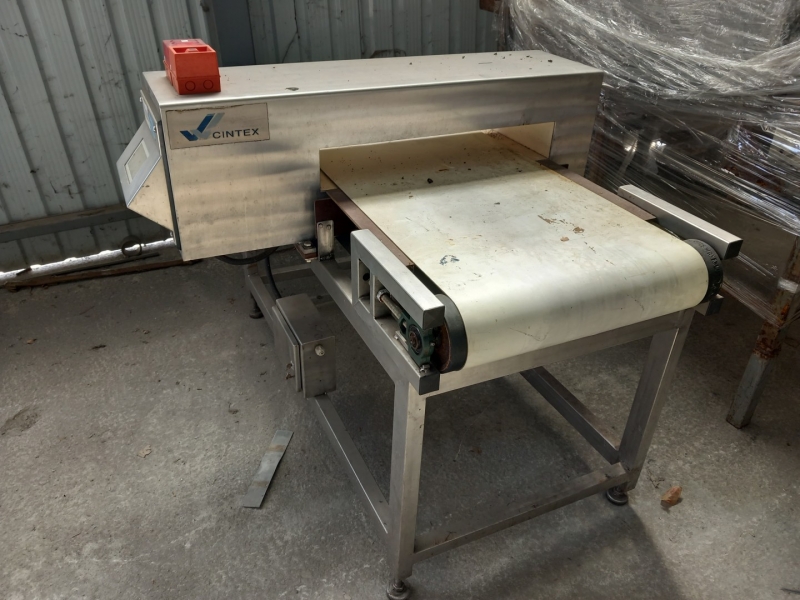
Metal detectors are widely used in the food industry to detect unwanted metal particles in products such as food, beverages or pharmaceuticals. These detectors are key to ensuring food safety and preventing potential hazards to consumers.
There are different types of metal detectors used in the food industry, and the most common are production line metal detectors. They are placed along the production line to automatically detect metal particles that may be present in the product.
Metal detectors work by using an electromagnetic field that passes through the material being inspected. If there is a metal particle in the material, it changes the field and the detector registers it as a potential impurity.
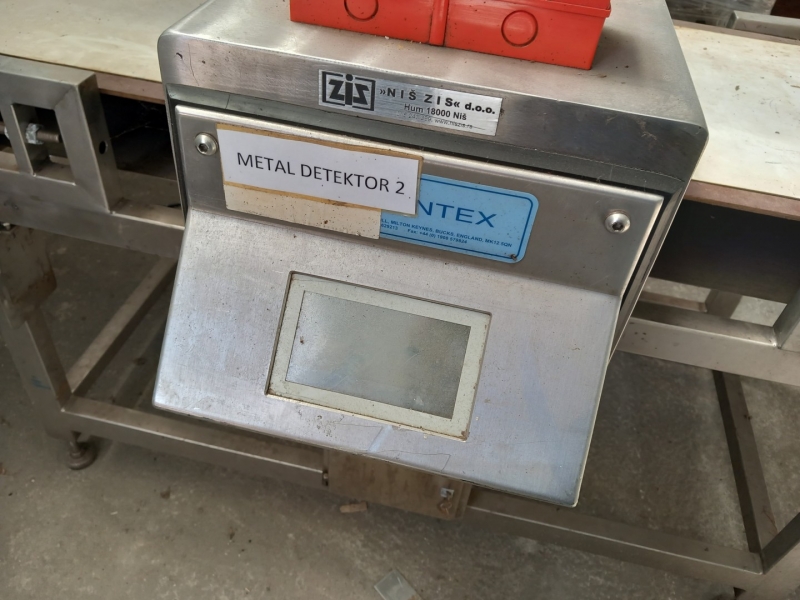
In addition to the detection of metal particles, modern metal detectors in the food industry can have additional functions such as automatic shutdown of the line or alarming the operator in case of metal detection. Also, they can be adapted to specific product requirements, such as different transport speeds or detector sizes.
Regular maintenance of metal detectors is important to ensure reliable detection of impurities. Maintenance may include regular cleaning of the detector, calibration and checking of sensors, and replacement of parts that are damaged or worn.
Metal detectors are crucial tools for controlling the quality and safety of products in the food industry, which makes them indispensable for all food manufacturers who care about the quality and safety of their products.
| Type | |
| Manufacturer | Cintex |
| Country | Serbia |
| Item ID | 1532 |
| Price | ON REQUEST |
Metal detector |
|